
Call us now :07971550356
 Send Inquiry
 Send Inquiry
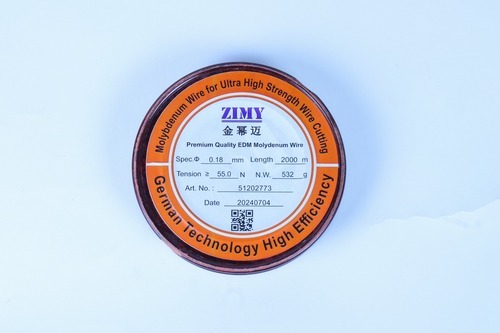
ZIMY MOLYBDNEUM WIRE
Price 4700.0 INR/ Piece
MOQ : 1 Piece
ZIMY MOLYBDNEUM WIRE Specification
- No Of Core
- 1
- Cable Length
- 200 meters
- Conductor Type
- Single Solid Wire
- Temperature
- Up to 1900 C
- Product Type
- Molybdenum Wire
- Material
- Molybdenum
- Function
- Cutting and Electrical Discharge Machining (EDM)
- Usage
- Wire-Cutting Machine, EDM Machines
- Conductor Material
- Molybdenum
- Length
- 200 meters (varies by spool)
- Size
- 0.18 mm, 0.20 mm, 0.22 mm (common availabilities)
- Color
- Silver Grey
- Diameter
- 0.18 mm to 0.22 mm
- Application
- EDM, Precision Cutting
- Surface Finish
- Smooth, Oxidation-Resistant
- Elongation
- 15-20%
- Standard Pack Size
- Spool/Coil
- ISO Certification
- ISO 9001
- Purity
- 99.95% Molybdenum
- Typical Applications
- Precision Cutting, Semiconductor, Solar Industry
- Tensile Strength
- 900 MPa
ZIMY MOLYBDNEUM WIRE Trade Information
- Minimum Order Quantity
- 1 Piece
- Payment Terms
- Cash in Advance (CID)
- Supply Ability
- 100 Pieces Per Week
- Delivery Time
- 1 Days
- Sample Available
- Yes
- Sample Policy
- Sample costs shipping and taxes has to be paid by the buyer
- Main Domestic Market
- All India
About ZIMY MOLYBDNEUM WIRE
EDM Wire Cut Molybdenum Wire (0.18 mm) refers to a specific type of wire used in Electrical Discharge Machining (EDM), a manufacturing process that utilizes electrical discharges to cut and shape materials. Molybdenum wire, in this case, has excellent properties that make it suitable for precision cutting in complex, high-accuracy jobs.
Key Details of EDM Wire Cut Molybdenum Wire (0.18 mm):
- Diameter: 0.18 mm
- Material: Molybdenum
- Application: Primarily used in the EDM Wire Cut process (also known as Wire EDM), where the wire acts as an electrode that cuts through conductive materials without physical contact, using rapid, controlled electrical discharges.
Characteristics of Molybdenum Wire for EDM:
- High Melting Point: Molybdenum has a very high melting point (3,180C or 5,756F), making it highly resistant to wear and damage from the intense heat generated during EDM.
- Electrical Conductivity: The wire needs to conduct electricity efficiently to allow the EDM process to work. Molybdenum has excellent conductivity, making it ideal for wire EDM.
- Stability: The wire maintains its mechanical properties and dimensional stability during the cutting process, ensuring precision and consistency.
- Wear Resistance: Molybdenum wire has high resistance to wear, which is important for maintaining cutting accuracy over long periods.
- Thin Diameter: The thin diameter (0.18 mm) allows for fine, precise cuts, enabling the production of intricate shapes and small features.
- Corrosion Resistance: Molybdenum resists oxidation and corrosion, which is crucial in the EDM process, especially in high-temperature or aqueous environments.
Applications of EDM Molybdenum Wire (0.18 mm):
- Precision Machining: EDM with molybdenum wire is commonly used for high-precision cutting of hard materials like tool steel, carbide, and other alloys.
- Aerospace and Automotive: Used for cutting complex geometries in aerospace components, including turbines, blades, and molds.
- Medical Device Manufacturing: For creating intricate, small parts, such as surgical tools or implants.
- Molds and Dies: Used for cutting and shaping molds, dies, and other components that require fine features.
- Electronics Manufacturing: Molybdenum wire is often used in the production of electronic components and parts that require high precision.
Why Molybdenum for EDM?
- Precision: Molybdenum wire helps achieve very fine and accurate cuts, with minimal heat-affected zones.
- Durability: The materials high resistance to thermal wear extends the life of the wire, reducing downtime and increasing productivity in high-precision applications.
- Cost-Effectiveness: Although molybdenum wire can be more expensive than some other materials, its long lifespan and high performance in demanding applications can justify the investment.
Conclusion:
Molybdenum wire of 0.18 mm diameter is a high-performance material used for Wire EDM applications, where precision and durability are essential. Its properties make it a go-to option for industries requiring intricate cuts in tough, conductive materials.
Precision Engineering for Advanced Applications
ZIMY Molybdenum Wire is meticulously produced to support demanding sectors like semiconductor and solar industries. Its exceptional purity and even surface contribute to reliable precision cutting and EDM operations. By maintaining a smooth finish and high tensile strength, this wire assures minimal wear and disturbance during critical manufacturing processes.
Durable Performance under Extreme Conditions
With its capacity to withstand temperatures up to 1900 C and resistance to oxidation, ZIMY Molybdenum Wire remains stable and effective even in harsh operating environments. The product is available with a single solid conductor in sizes ranging from 0.18 mm to 0.22 mm, ensuring adaptability to various technical requirements.
Certified Quality and Consistency
Adhering to ISO 9001 standards, ZIMY Molybdenum Wire guarantees consistent quality and reliability with every batch. Regular use in EDM machines, wire-cutting systems, and as a conductor in advanced manufacturing underscores its value in precision-driven contexts across global markets.
FAQ's of ZIMY MOLYBDNEUM WIRE:
Q: How is ZIMY Molybdenum Wire typically used in manufacturing environments?
A: ZIMY Molybdenum Wire is primarily utilized for tasks such as precision cutting and electrical discharge machining (EDM). Industries deploy this wire in wire-cutting machines and EDM equipment to achieve fine, accurate cuts in semiconductor, solar panels, and other high-tech components.Q: What are the benefits of using this wire's high tensile strength and purity?
A: The notable tensile strength of 900 MPa and purity of 99.95% ensure not only robust mechanical performance but also minimal contamination, making the wire ideal for sensitive applications where exacting standards and clean cuts are necessary.Q: When should I choose a smooth, oxidation-resistant molybdenum wire over alternatives?
A: A smooth, oxidation-resistant surface is essential in environments where precision, reliability, and longevity are priorities, especially at elevated temperatures. These features help maintain conductivity and prevent degradation, proving advantageous in industries such as semiconductor and solar manufacturing.Q: Where is this wire most commonly applied?
A: ZIMY Molybdenum Wire is widely used in the semiconductor sector, solar panel fabrication, and for precision EDM operations worldwide-including Germany-where exact cuts, high purity, and reliable conductivity are required.Q: What process is used to manufacture ZIMY Molybdenum Wire?
A: The wire is produced using advanced drawing and annealing methods, yielding a highly uniform structure and a smooth, oxidation-resistant finish. This ensures the material's mechanical integrity and reliability across its applications.Q: How does the elongation property enhance the wire's performance?
A: With an elongation value of 15-20%, this wire offers a balance between strength and flexibility, allowing it to absorb stress during wire-cutting or EDM processes while resisting fracture or deformation under tension.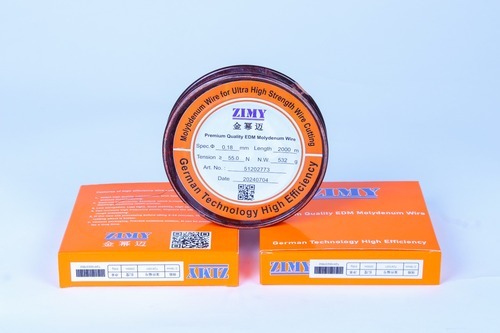
Tell us about your requirement

Price:
Quantity
Select Unit
- 50
- 100
- 200
- 250
- 500
- 1000+
Additional detail
Mobile number
Email

More Products in Molybdenum wires 0.18mm Category
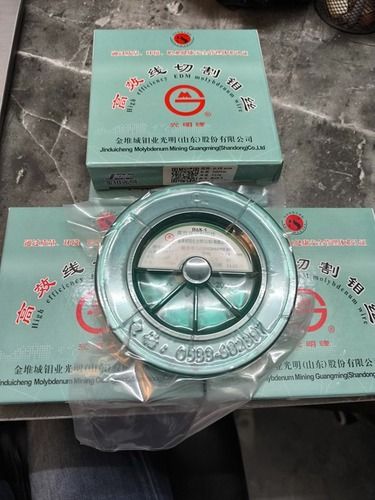
EDM Molybdenum Wire
Price 2500 INR / Piece
Minimum Order Quantity : 5 Pieces
Material : High Purity Molybdenum
Function : Electrical Discharge Machining (EDM) Cutting
Usage : Wire Cut EDM Machines
Product Type : EDM Molybdenum Wire
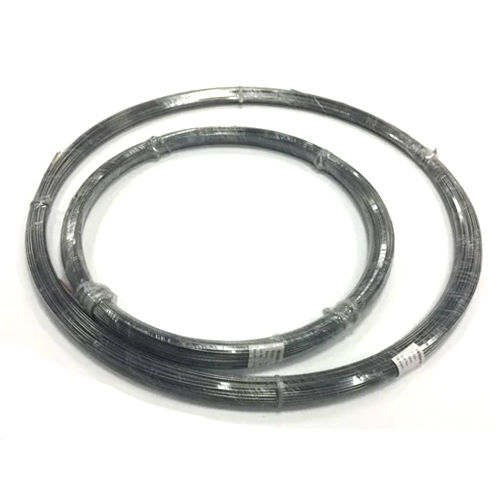
Spray Molybdenum Wires
Price 5,500 INR / Kilograms
Minimum Order Quantity : 1 Kilograms
Material : Molybdenum
Function : used in the hightemperature field of molybdenum furnace
Usage : Industrial
Product Type : Molybdenum Spray Wire
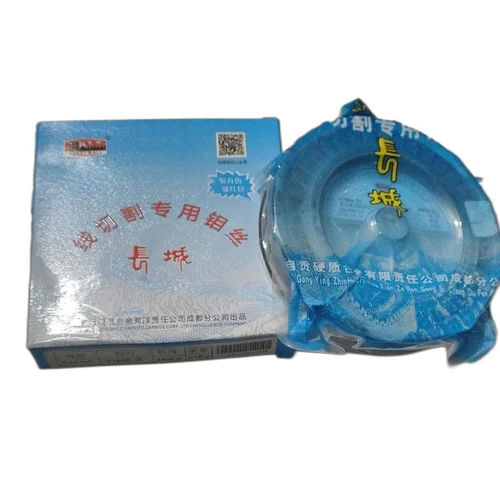
Great Wall EDM Molybdenum Wire
Price 4,500 INR / Piece
Minimum Order Quantity : 100 Pieces
Material : Molybdenum
Function : suited for slicing, cutting
Usage : Electrical Appliance
Product Type : Great Wall EDM Molybdenum Wire
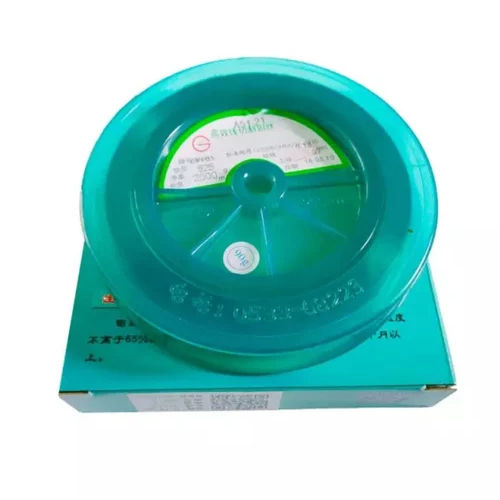
JDC EDM Molybdenum Wire
Price 2,500 INR / Piece
Minimum Order Quantity : 100 Pieces
Material : Molybdenum
Function : suited for slicing, cutting
Usage : Electrical Appliance
Product Type : JDC EDM Molybdenum Wire


Our Products
- Molybdenum wires 0.18mm
- EDM Coolant Gel
- HIGH EFFICIENCY MOLYBDENUM WIRE 0.18MM
- Tungsten Scrap
- Molybdenum Metal Scrap
- Nickel Scrap
- Titanium Turning Scrap
- Edm Brass Wire
- Molybdenum Penetrator Blanks
- Guide Wheel
- Tungsten Block
- Copper Screw
- Copper Nozzle
- Screw Rod
- High Power Resistor
- Copper Electrode Tube
- Nylon Gear
- Scraps
- Molybdenum Products
- Tungsten
- Nickel
- Nickal
- EDM WIRE CUT CONSUMABLES
- Edm Drill Chuck
- carbides
- EDM FILTER


FIRST FLOOR, GALA NO 128, MEGHDOOT SIGNATURE, HDIL INDUSTRIAL, HDIL Industrial Estate, Chandansar, Vasai Virar, Palghar, Vasai - 401305, Maharashtra, India

Mr. Ravi
(Chairman & Managing Director)
Mobile :07971550356
 Send Inquiry
 Send SMS
 Call Me Free
Developed and Managed by Infocom Network Private Limited.


 English
 Spanish
 French
 German
 Italian
 Chinese (Simplified)
 Japanese
 Korean
 Arabic
 Portuguese