
Call us now :07971550356
 Send Inquiry
 Send Inquiry
EDM Molybdenum Wire
Price 2500 INR/ Piece
MOQ : 5 Pieces
EDM Molybdenum Wire Specification
- No Of Core
- Single Core
- Temperature
- Working up to 2000C
- Conductor Type
- Solid Wire
- Cable Length
- 200 m (standard)
- Product Type
- EDM Molybdenum Wire
- Material
- High Purity Molybdenum
- Function
- Electrical Discharge Machining (EDM) Cutting
- Usage
- Wire Cut EDM Machines
- Conductor Material
- Molybdenum
- Length
- 200 m / spool (custom lengths available)
- Size
- 0.18 mm - 0.22 mm
- Color
- Metallic Grey
- Diameter
- 0.18 mm, 0.20 mm, 0.22 mm
- Application
- Precision cutting of metal molds, punches, dies, and parts in EDM machines
- Melting Point
- 2620C
- Hardness
- 200-250 HV
- Density
- 10.2 g/cm
- OEM Service
- Available
- Tensile Strength
- 900 MPa
- Spool Type
- Plastic/Metal Spools
- Packaging
- Sealed vacuum package, standard export carton
- Surface Condition
- Smooth, Oxidation Resistant
- Coating
- Uncoated / Non-plated
- Purity
- 99.95%
EDM Molybdenum Wire Trade Information
- Minimum Order Quantity
- 5 Pieces
- Payment Terms
- Cash Advance (CA), Cash in Advance (CID)
- Supply Ability
- 5000 Pieces Per Week
- Delivery Time
- 7 Days
- Main Export Market(s)
- Asia, Australia, Central America, North America, South America, Eastern Europe, Western Europe, Middle East, Africa
- Main Domestic Market
- , All India, South India, Central India, West India, North India, East India, Gujarat, Karnataka, Kerala, Lakshadweep, Mizoram, Meghalaya, Manipur, Andhra Pradesh, Bihar, Chandigarh, Daman and Diu, Goa, Jharkhand, Odisha, Punjab, Assam, Delhi, Dadra and Nagar Haveli, Andaman and Nicobar Islands, Arunachal Pradesh, Chhattisgarh, Haryana, Himachal Pradesh, Jammu and Kashmir, Madhya Pradesh, Maharashtra, Nagaland, Rajasthan, Sikkim, Tamil Nadu, Telangana, Tripura, Pondicherry, Uttar Pradesh, Uttarakhand, West Bengal
About EDM Molybdenum Wire
Thin molybdenum wire is a versatile form of molybdenum metal used in various applications due to its unique properties. Molybdenum is a highly refractory metal, meaning it has a very high melting point (2623 C or 4753 F). It also boasts high strength at elevated temperatures, good electrical and thermal conductivity, and good resistance to corrosion. However, thin molybdenum wire is relatively brittle and can be easily broken if bent sharply.
Here are some characteristics of thin molybdenum wire:
- Diameter: Thin molybdenum wire typically ranges in diameter from 10 microns (0.0004 inches) to 500 microns (0.020 inches).
- Material: Molybdenum (Mo) with a minimum purity of over 99.95%
- Color: Shiny gray
- Properties: High melting point, good electrical and thermal conductivity, good corrosion resistance, but brittle.
Applications of Thin Molybdenum Wire:
- Electronic applications:
- Cathodes for electron emission.
- Heater elements in high-temperature furnaces due to its ability to withstand high temperatures without sagging or melting.
- Electrical leads and wires in vacuum environments due to its high melting point and good electrical conductivity.
- Aerospace applications:
- Filaments in ion implantation systems used to dope semiconductors.
- High-temperature heating elements in furnaces.
- Other applications:
- Support structures for high-temperature components.
- Sputtering targets for depositing thin molybdenum films
-
- Mandrels for filament winding
- Molybdenum wire can also be used in dentistry for orthodontic purposes.
- Grids in electron tubes for controlling electron flow.
frequently asked questions (FAQs) about thin molybdenum wire:
-
What is thin molybdenum wire used for?
- Thin molybdenum wire is commonly used in applications requiring high strength and high-temperature resistance, such as in electronics, EDM (Electrical Discharge Machining), heating elements, and in the lighting industry.
-
What are the properties of thin molybdenum wire?
- Thin molybdenum wire has high melting points (2623C), excellent electrical and thermal conductivity, low thermal expansion, and high tensile strength. It also exhibits good corrosion resistance and stability at high temperatures.
-
How is thin molybdenum wire manufactured?
- Thin molybdenum wire is typically manufactured through a process involving powder metallurgy, where molybdenum powder is pressed, sintered, and then drawn into wire using a series of dies to achieve the desired thinness.
-
What diameters are available for thin molybdenum wire?
- Thin molybdenum wire is available in various diameters, typically ranging from micrometers (um) to millimeters (mm), depending on the application and supplier specifications.
-
Can thin molybdenum wire be customized?
- Yes, many manufacturers offer customization options for thin molybdenum wire, including specific diameters, lengths, and surface finishes to meet the unique requirements of different applications.
-
What are the advantages of using thin molybdenum wire in high-temperature applications?
- Thin molybdenum wire maintains its strength and stability at high temperatures, resists oxidation and corrosion, and provides reliable electrical and thermal conductivity, making it ideal for high-temperature environments.
-
How do you handle and store thin molybdenum wire?
- Thin molybdenum wire should be handled with care to avoid bending or breaking. It should be stored in a dry, cool environment, away from corrosive substances and moisture to prevent oxidation and degradation.
-
What is the cost of thin molybdenum wire?
- The cost of thin molybdenum wire varies depending on the diameter, purity, quantity, and supplier. It is generally more expensive than other types of wire due to its specialized properties and manufacturing process.
-
Is thin molybdenum wire available in different purities?
- Yes, thin molybdenum wire is available in various purities, with high-purity options being used for more demanding applications, such as in the semiconductor and aerospace industries.
-
What are some common challenges when working with thin molybdenum wire?
- Some challenges include its brittleness, making it prone to breaking if not handled properly, and difficulties in joining or welding due to its high melting point and thermal conductivity
-
When choosing thin molybdenum wire, it's important to consider the diameter, material properties, and intended application. Suppliers can provide spools of thin molybdenum wire in various lengths and diameters
High Purity, Exceptional Strength
Manufactured from high purity molybdenum (99.95%), this EDM wire achieves superior tensile strength (900 MPa), making it highly reliable for demanding EDM cutting applications. It maintains stability under intense working conditions, providing consistent, accurate cuts in a variety of industrial settings.
Optimal Surface and Oxidation Resistance
With a smooth surface finish and advanced oxidation resistance, the wire ensures efficient and clean cuts. The robust oxidation-resistant properties allow it to withstand high temperatures up to 2000C, ensuring durability and longevity in challenging EDM environments.
Versatile and Customizable Solutions
Our EDM molybdenum wire is available in multiple diameters and spool types, with standard and custom lengths upon request. Packaging options meet international export standards, and OEM services support unique customer requirements for various EDM machinery and cutting tasks.
FAQ's of EDM Molybdenum Wire:
Q: How is EDM Molybdenum Wire typically used in industrial applications?
A: EDM Molybdenum Wire is used as a conductor in wire cut EDM machines for precision cutting of metal molds, punches, dies, and intricate components. Its high tensile strength and oxidation resistance make it ideal for fine, detailed electrical discharge machining processes.Q: What are the benefits of using high purity molybdenum wire in EDM cutting?
A: The wire's high purity (99.95%) delivers reliable conductivity and reduces the risk of impurities that could affect cut quality. Its excellent tensile strength and hardness provide longer service life, fewer wire breaks, and consistent accuracy during operation.Q: When should I choose different wire diameters or spool types?
A: Select 0.18 mm, 0.20 mm, or 0.22 mm diameters based on the desired precision and the specifications of your EDM machine. Plastic or metal spool options are available to suit different machine setups and operational needs.Q: Where is this product mainly used and who can benefit from it?
A: This EDM molybdenum wire is widely used across manufacturing sectors in India, including mold making, tool fabrication, and part production. Dealers, exporters, fabricators, and end-users seeking high-precision metal cutting will benefit from its reliable performance.Q: What process ensures the wire maintains its oxidation resistance and smooth surface?
A: The wire undergoes specialized manufacturing and surface treatment processes to maintain oxidation resistance up to 2000C and achieve a consistently smooth finish, ensuring clean cuts and durability during high-temperature EDM operations.Q: Can I request custom lengths or OEM services for my specific needs?
A: Yes, custom lengths and OEM solutions are readily available to match unique application requirements. Packaging is also tailored for safe transport, with sealed vacuum packs and standard export cartons for international shipping.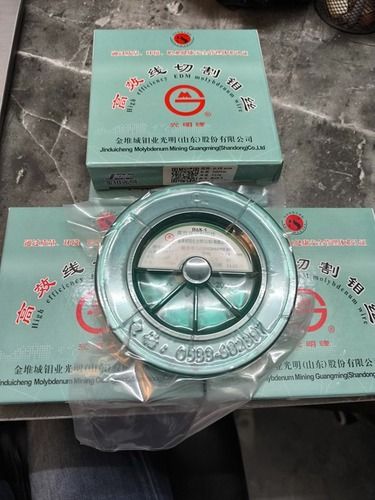
Tell us about your requirement

Price:
Quantity
Select Unit
- 50
- 100
- 200
- 250
- 500
- 1000+
Additional detail
Mobile number
Email

More Products in Molybdenum wires 0.18mm Category
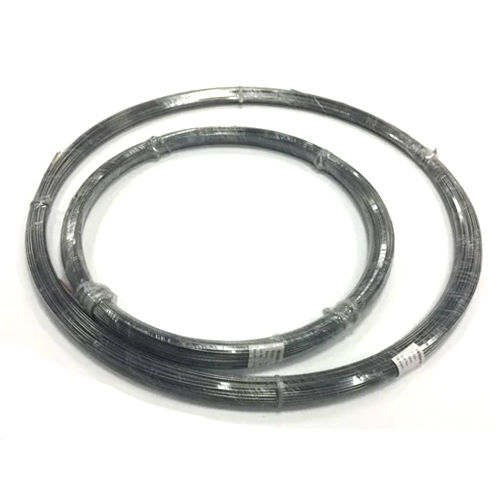
Spray Molybdenum Wires
Price 5,500 INR / Kilograms
Minimum Order Quantity : 1 Kilograms
Product Type : Molybdenum Spray Wire
Function : used in the hightemperature field of molybdenum furnace
Color : Silver/ Black
Usage : Industrial
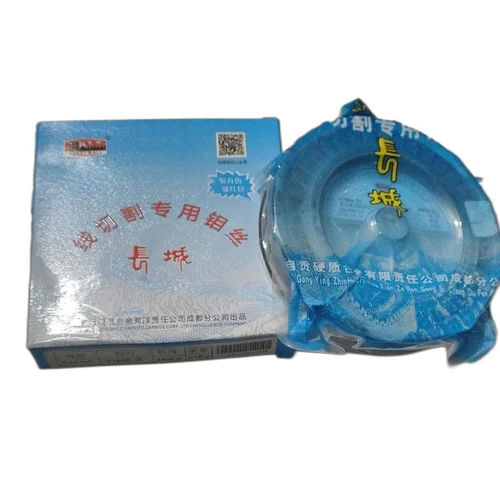
Great Wall EDM Molybdenum Wire
Price 4,500 INR / Piece
Minimum Order Quantity : 100 Pieces
Product Type : Great Wall EDM Molybdenum Wire
Function : suited for slicing, cutting
Color : Brown
Usage : Electrical Appliance
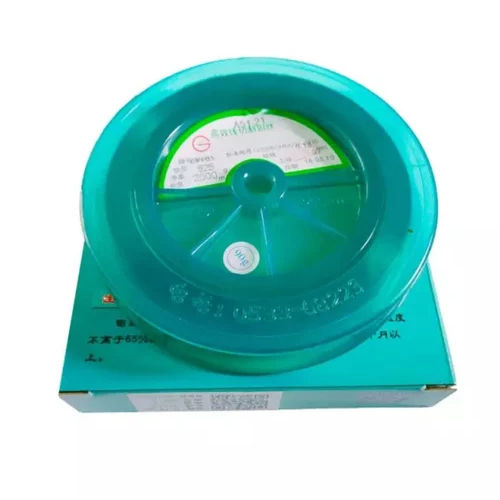
JDC EDM Molybdenum Wire
Price 2,500 INR / Piece
Minimum Order Quantity : 100 Pieces
Product Type : JDC EDM Molybdenum Wire
Function : suited for slicing, cutting
Color : Green
Usage : Electrical Appliance

Black Diamond EDM Moly Wire
Price 4,200 INR / Piece
Minimum Order Quantity : 100 Pieces
Product Type : Black Diamond EDM Moly Wire
Function : suited for slicing, cutting
Color : Black
Usage : Electrical Appliance


Our Products
- Molybdenum wires 0.18mm
- EDM Coolant Gel
- HIGH EFFICIENCY MOLYBDENUM WIRE 0.18MM
- Tungsten Scrap
- Molybdenum Metal Scrap
- Nickel Scrap
- Titanium Turning Scrap
- Edm Brass Wire
- Molybdenum Penetrator Blanks
- Guide Wheel
- Tungsten Block
- Copper Screw
- Copper Nozzle
- Screw Rod
- High Power Resistor
- Copper Electrode Tube
- Nylon Gear
- Scraps
- Molybdenum Products
- Tungsten
- Nickel
- Nickal
- EDM WIRE CUT CONSUMABLES
- Edm Drill Chuck
- carbides
- EDM FILTER


FIRST FLOOR, GALA NO 128, MEGHDOOT SIGNATURE, HDIL INDUSTRIAL, HDIL Industrial Estate, Chandansar, Vasai Virar, Palghar, Vasai - 401305, Maharashtra, India

Mr. Ravi
(Chairman & Managing Director)
Mobile :07971550356
 Send Inquiry
 Send SMS
 Call Me Free
Developed and Managed by Infocom Network Private Limited.


 English
 Spanish
 French
 German
 Italian
 Chinese (Simplified)
 Japanese
 Korean
 Arabic
 Portuguese