
Call us now :07971550356
 Send Inquiry
 Send Inquiry
single side assembly
Price 1800 INR/ Number
MOQ : 1 Number
single side assembly Specification
- Noise Level
- Low (<60 dB)
- Tool Type
- Surface Mount Technology
- Power Source
- Electric
- Application
- Consumer Electronics, Industrial Automation, Automotive
- Product Type
- Single Side PCB Assembly
- Material
- FR-4, Copper
- Computerized
- Yes
- Automatic Grade
- Semi-Automatic
- Control System
- PLC Control
- Drive Type
- Electric
- Voltage
- 220-240 V
- Weight (kg)
- Approximately 10-15 kg (without components)
- Dimension (L*W*H)
- 300 mm x 200 mm x 20 mm (PCB size varies)
- Capacity
- Depends on assembly line, up to 500 units/day
- Feature
- High precision, Solder mask, Silkscreen labeling
- Color
- Green (PCB Base)
- Solder Mask Color
- Green
- Storage Condition
- Humidity Controlled Environment
- Layer Type
- Single Layer
- Testing
- AOI (Automated Optical Inspection), Manual QC
- Component Mounting
- Surface Mounted and Through Hole
- PCB Thickness
- 1.6 mm standard
- Operating Temperature Range
- -10°C to 60°C
- Assembly Technique
- Wave Soldering / Reflow Soldering
- Minimum Trace Width
- 0.1 mm
- RoHS Compliance
- Yes
- Connector Type
- Customizable as per application
- Maximum Copper Weight
- 1-2 oz/ft²
single side assembly Trade Information
- Minimum Order Quantity
- 1 Number
- Payment Terms
- Cash in Advance (CID)
- Supply Ability
- 50 Per Day
- Delivery Time
- 2 Days
- Sample Available
- Yes
- Sample Policy
- Sample costs shipping and taxes has to be paid by the buyer
- Main Domestic Market
- All India
About single side assembly
An EDM Single-Side Copper Guide Wheel is a specialized component used in Electrical Discharge Machining (EDM), particularly in Wire EDM (Electrical Discharge Machining). Heres a breakdown of what it entails:
Key Components:
-
EDM (Electrical Discharge Machining): EDM is a machining process that uses electrical discharges (sparks) to remove material from a workpiece. In Wire EDM, a thin wire is used as the electrode to cut through a conductive material, such as metal. The wire moves along the workpiece while being guided by a series of components.
-
Single-Side Copper Guide Wheel:
- Guide Wheel: In a Wire EDM machine, guide wheels are used to precisely guide and control the movement of the wire during the machining process. These wheels help ensure that the wire follows the correct path without deviating, which is crucial for accurate cutting.
- Single-Side: This refers to the design of the guide wheel. In this case, the wheel may only have one side that actively guides or supports the wire, as opposed to two-sided wheels that might offer support from both sides. The "single side" design can be beneficial for specific machine setups or to save space.
- Copper Material: Copper is often used for EDM guide wheels because of its excellent electrical conductivity, thermal properties, and low wear. Copper is a good material for guiding the wire while ensuring minimal resistance and heat generation during the cutting process.
Precision Assembly for Modern Applications
Engineered for reliability and efficiency, our single side assembly PCB integrates both surface mount and through-hole techniques, delivering robust performance across consumer electronics, automotive, and industrial automation sectors. With PLC control and a semi-automatic, computerized process, every PCB guarantees consistency while allowing flexibility with customizable connectors. The green solder mask and clearly labeled silkscreen offer easy identification and refined aesthetics, supporting high-volume production with low noise and strong durability.
Quality and Compliance You Can Trust
Our manufacturing process incorporates Automated Optical Inspection and manual quality checks, ensuring every board meets the highest standards. Produced in a humidity-controlled environment using FR-4 and high-purity copper, each PCB adheres to RoHS directives for environmentally safe operation. Standardized at 1.6 mm thickness and capable of withstanding a wide temperature range, this assembly promises longevity and dependability in every application.
FAQ's of single side assembly:
Q: How is the single side assembly PCB manufactured?
A: The assembly uses both surface mounting and through-hole soldering (wave or reflow techniques) on a single-layer FR-4 board, controlled by PLC systems for enhanced precision and efficiency.Q: What are the key benefits of using this PCB for my project?
A: You'll benefit from high reliability, RoHS compliance, customizable connectors, and the ability to handle up to 500 units per day. Enhanced inspection processes also ensure consistent performance and quality.Q: When should I opt for a single layer, single side assembly?
A: Single side assembly is ideal when your design requires straightforward circuitry and cost-efficiency, such as in consumer electronics, industrial automation, or automotive projects without complex layer requirements.Q: Where can this PCB assembly be applied?
A: It is suitable for a broad range of applications including consumer electronics, industrial automation systems, and automotive electronics thanks to its robust construction and versatile connector options.Q: What is the process for mounting components on the PCB?
A: Components are mounted using surface mount technology and through-hole insertion, followed by either wave or reflow soldering. After assembly, each board undergoes Automated Optical Inspection and manual quality control checks.Q: How do you ensure the quality and reliability of each PCB?
A: Each PCB is subjected to AOI (Automated Optical Inspection) and manual quality checking. Storage in a humidity-controlled environment preserves integrity, and RoHS compliance further guarantees reliability.Q: What storage and operating conditions are recommended for these PCBs?
A: Store assembled PCBs in a humidity-controlled environment and operate them within a temperature range of -10C to 60C to maintain optimal performance and longevity.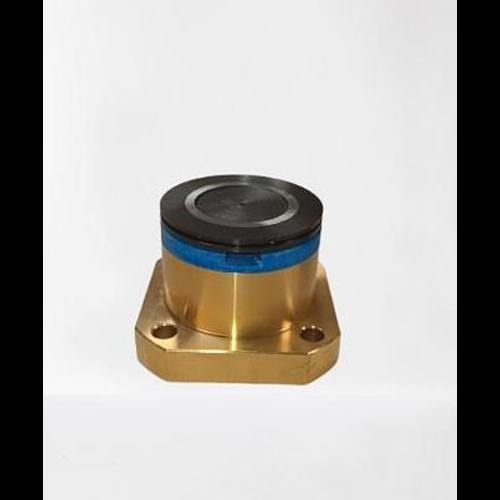
Tell us about your requirement

Price:
Quantity
Select Unit
- 50
- 100
- 200
- 250
- 500
- 1000+
Additional detail
Mobile number
Email

More Products in EDM WIRE CUT CONSUMABLES Category
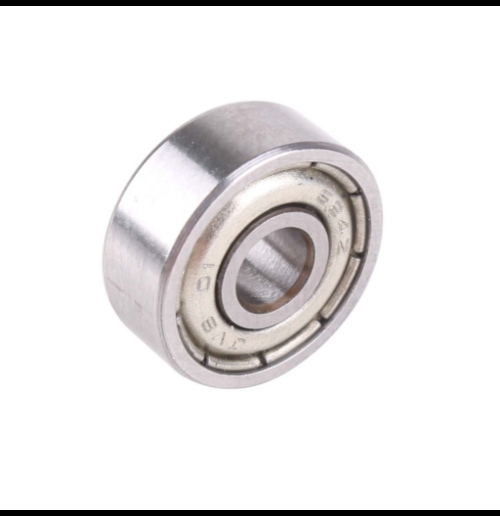
Edm Bearings
Price 60 INR / Number
Minimum Order Quantity : 10
Feature : Other, Wear resistance, Long service life, Smooth operation
Weight (kg) : 0.5 kg (Approx.)
Material : Stainless Steel
Control System : Other, CNC
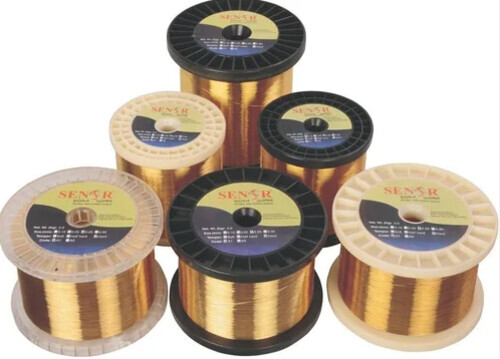
Edm brass wire
Price 4000 INR / Kilograms
Minimum Order Quantity : 5 Kilograms
Feature : Other, High Precision, Smooth Surface Finish, Good Conductivity, Corrosion Resistant
Weight (kg) : 5 kg (spool weight, approx.)
Material : brass
Control System : Other, CNC
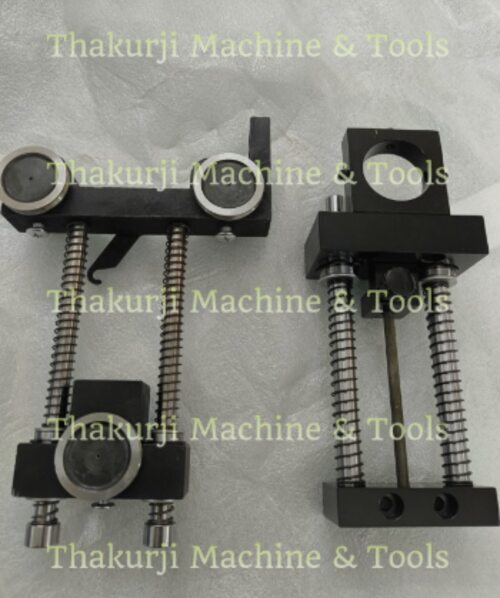
Wire Tightener
Price 6000 INR / Number
Minimum Order Quantity : 1 Number
Feature : Other, Corrosion resistant, Heavy duty, Easy grip
Weight (kg) : 0.45
Material : Galvanized Steel
Control System : Other, Hand Operated
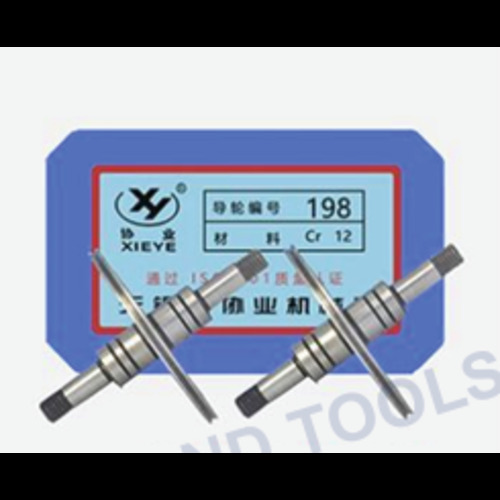
Single side pully
Price 1600.00 INR / Number
Minimum Order Quantity : 10
Weight (kg) : 0.09 Kilograms (kg)
Material : Aluminium Alloy
Control System : Human Machine Interface


Our Products
- Molybdenum wires 0.18mm
- EDM Coolant Gel
- HIGH EFFICIENCY MOLYBDENUM WIRE 0.18MM
- Tungsten Scrap
- Molybdenum Metal Scrap
- Nickel Scrap
- Titanium Turning Scrap
- Edm Brass Wire
- Molybdenum Penetrator Blanks
- Guide Wheel
- Tungsten Block
- Copper Screw
- Copper Nozzle
- Screw Rod
- High Power Resistor
- Copper Electrode Tube
- Nylon Gear
- Scraps
- Molybdenum Products
- Tungsten
- Nickel
- Nickal
- EDM WIRE CUT CONSUMABLES
- Edm Drill Chuck
- carbides
- EDM FILTER


FIRST FLOOR, GALA NO 128, MEGHDOOT SIGNATURE, HDIL INDUSTRIAL, HDIL Industrial Estate, Chandansar, Vasai Virar, Palghar, Vasai - 401305, Maharashtra, India

Mr. Ravi
(Chairman & Managing Director)
Mobile :07971550356
 Send Inquiry
 Send SMS
 Call Me Free
Developed and Managed by Infocom Network Private Limited.


 English
 Spanish
 French
 German
 Italian
 Chinese (Simplified)
 Japanese
 Korean
 Arabic
 Portuguese